Table Of Content

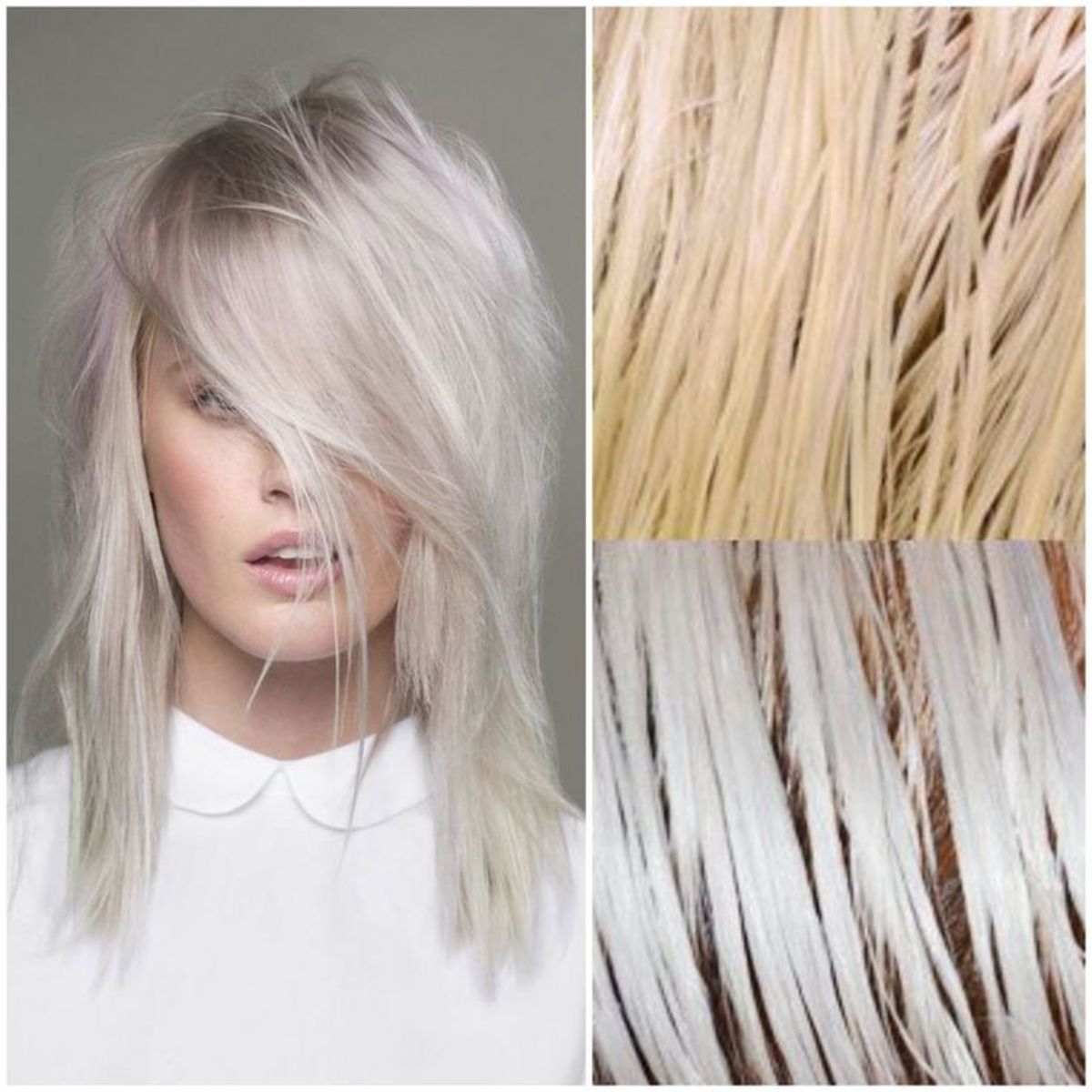
While hair toner is generally safe, pigments or dyes can potentially cause skin sensitization and contact dermatitis. Overuse of toners can cause hair to become dry or damaged, so speak with a hairstylist before choosing products or attempting an at-home tone. If your hair looks very brassy after bleaching, you may need a permanent white toner for hair. When permanent hair dye is used as part of a two-step coloring process, it is referred to a permanent toner. To get rid of unwanted brassiness, choose a platinum or white-blond permanent hair dye. While this will be more damaging than using a toner, the permanent dye will lift brassy tones while depositing the color you want.
Can I tone my highlights at home, or should I visit a salon?
“They slow down fading which extends the life of color, plus they add in more pigment so the hair stays vibrant and dimensional,” says Perkins. “If you have color-treated hair, a toning shampoo should definitely be in your rotation. Instead of using a daily toning shampoo and conditioner, there are also toning masks that you can apply to your hair once or twice a week. These formulas tend to be more concentrated, so you don't have to use them as frequently.
HOW TO REPAIR DAMAGED, BLEACHED HAIR
After cleansing hair, run this product through your mid-lengths and ends until saturated, then leave on for one to two minutes. You’ll want to rinse this bb out thoroughly to see all of that hydration and shine. This one’s for all of our babes with gray or silver hair—this treatment masque is perfect for intensely hydrating aging hair. Say hello to more shine and less brass thanks to arctic root extract, which helps restore texture and snow mushroom Extract for maintaining moisture. Now that you're basically a hair toner expert, let's get to the real reason you're here.
Cost of Partial Highlights vs. Full Highlights
If a professional colorist did your toning, you should not need to reapply toner for up to eight weeks. Let the toner do its thing; it’s easy to keep watching it, but just let it work – it will usually take between 20 – 25 minutes to process. Once you’re happy with the tone, rinse and wash with a moisturizing shampoo and deep conditioner.
How to Find a Salon
Many masks also deep-condition your hair, which is necessary after damaging treatments like bleach. Toning masks are a good compromise for saving money if you don't want to sacrifice the quality of a higher-end brand. Thanks to a bevy of user-friendly systems found in your favorite beauty stores, toning your hair at home has become more popular and more manageable.

However, they primarily deposit pigments on the hair’s surface. Hair toners, on the other hand, penetrate the hair cuticle, providing more long-lasting results. Since the brassy undertones cannot be avoidable with color-treated hair, you certainly need a solution. Hair toner is a nice and subtle way of revamping your colored hair game either by yourself or through an in-salon visit. Hair toners also come in a variety of hair care products like shampoo, conditioner, glosses, mousses, and hair masks.
The frequency of toning depends on factors like your hair’s porosity, exposure to environmental factors, and your desired tone. Generally, toning can be done every few weeks to maintain the desired shade and neutralize any brassiness. Other determining factors of how often you apply hair toner are your hair type, the permanency of the toner you applied, and how often you wash your hair. To prevent this damage from happening, the molecules in your hair toners fill in these open cuticles and protect your hair.
Hair Toner 101: Stylists Explain What Hair Toning Is and Why It Works - MarieClaire.com
Hair Toner 101: Stylists Explain What Hair Toning Is and Why It Works.
Posted: Fri, 17 Jun 2022 07:00:00 GMT [source]
It is first influenced by the types of toners which will inform your choice of formula. The different types are grouped based on their levels of permanency. Like other hair toners, the molecules are larger, and it does not contain the ammonia and peroxide concentrations that alter the structure of your hair. Rather than that, the molecules coat the surface of your hair strands and temporarily fill the cuticles. Hair toners remove the brassy undertones and revamp already fading highlights. It makes the highlights look darker so that they align well with the color of the rest of your hair.
If you’re a brunette or have darker hair, a toner can richen your color, and if you’re a blonde, a toner can brighten you up, says Ellsworth. She adds that a toner can also soften, add shine, and strengthen your hair, and because toners don’t last long in the grand scheme of things, they're perfect for people who prefer low-commitment alterations. Hair toners can be used on a wide range of hair types, including straight, curly, coarse, or wavy. They are primarily designed to address color concerns rather than specific textures. Therefore, whether you have blonde, silver, or dark hair, you can use a specific hair toner to meet your color wishes.
We’re breaking it all down in our guide to hair color toner below. The toners that hairstylists use in salons are usually demi-permanent formulas that involve a developer (aka hydrogen peroxide) to slightly lift the hair cuticle to deposit color pigments. At-home toning products (like purple shampoos or masks) tend to just sit on the surface of your hair and deposit just enough pigment to offset some of the brassiness that may have crept in. If you're getting your hair toned at a salon, your hairstylist might use a hair gloss, a non-permanent coloring method that “glosses” your hair, per hairstylist Devin Toth. While choosing white toner for hair, it is important to understand that most toners are deposit-only colors. Depending on the porosity of the hair, most products will work as a semi-permanent hair toner or demi-permanent hair toner.
Toners are generally safe for your hair because they do not contain the harsh chemicals present in hair dyes. They do not penetrate your hair shaft and alter the structure of your cuticles. This is a great option if you’re not ready to commit to permanent hair color.
For instance, if your hair tends to be dry, then “look for serums that contain oils to help hydrate the dry hair shaft,” says Dr. Shaver. Meanwhile, if you simply want better, faster hair growth, then she recommends looking for products with ingredients that have been clinically proven to do just that—and have scientific data that support their use. From understanding the science behind it to choosing the perfect toner and applying it like a pro, you’re now equipped with the knowledge and skills to achieve the hair of your dreams.



No comments:
Post a Comment